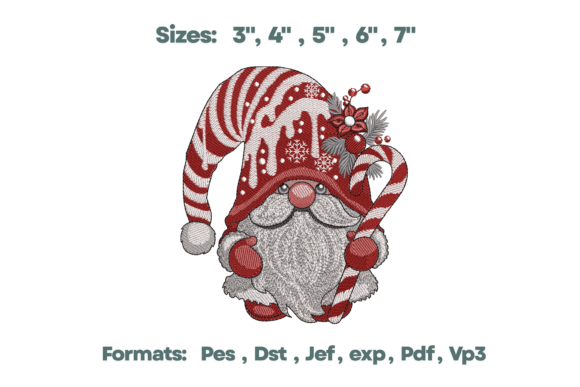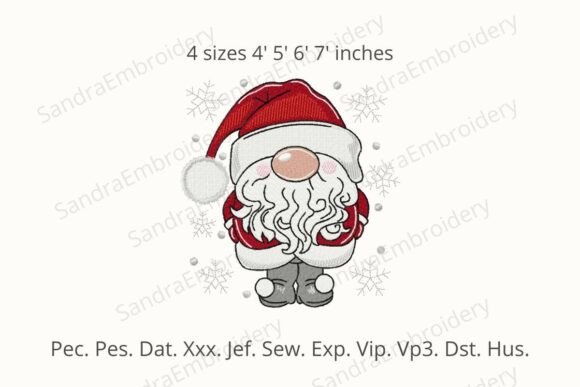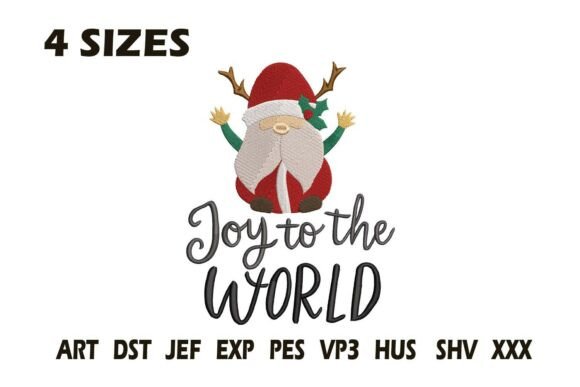
Joy to the World Gnome Embroidery Design Review
As an experienced embroidery designer who has spent years refining digital assets for commercial use, I approach every new file with a critical eye. When evaluating Joy to the World Gnome Embroidery Design, my focus shifts immediately from simple aesthetics to practical application. For small business owners, Etsy sellers, and apparel decorators, the difference between a decorative element and a profitable brand asset often lies in execution. This review examines how this playful design functions as a tool for branding, merchandising, and customer engagement.
First Impressions: Personality and Brand Fit
The title Joy to the World Gnome Embroidery Design immediately suggests a festive, whimsical personality. In the context of Christmas branding, this design offers a rustic yet modern charm that appeals to handmade product markets. Unlike stiff corporate logos, a gnome motif implies warmth, approachability, and a touch of humor. For a boutique bakery, a local florist, or a creative studio, this visual language can significantly lower the barrier to entry for customers, making the brand feel more accessible and friendly.
However, "playful" does not mean "low quality." A successful machine embroidery design must balance charm with structural integrity. The description highlights its suitability for t-shirts, towels, and home decor, which indicates a versatile stitch pattern. If the design leans too heavily into intricate details without sufficient negative space, it may struggle on smaller applications like cap fronts or product labels. The first test of any embroidery file is whether it retains its character when scaled down. Does the gnome look cute at one inch, or does it become a muddy blob? For small business merch, clarity is king.
Real-World Application for Commercial Projects
When considering Joy to the World Gnome Embroidery Design for actual production, we must look beyond the fabric swatch. Imagine a local coffee shop wanting to launch holiday-themed merchandise. This design could serve as the centerpiece for a staff apron, creating a unified team look that customers instantly recognize. The whimsical nature of the gnome allows for high visibility on dark uniforms if the thread colors are chosen correctly, or a soft elegance on light-colored cotton tees.
For embroidered patch creation, this design shines. Patches act as durable badges of honor and are excellent for attaching to tote bags, denim jackets, or backpacks. A small business selling custom tote bags could use this design as a premium add-on, increasing the perceived value of the item. Similarly, for cap embroidery, a well-executed gnome logo on the front panel can turn a standard hat into a branded statement piece. It works particularly well for event merchandise, where attendees want something memorable but not overly formal.
The design also fits seamlessly into product packaging accents. Stitching a small version onto the corner of a gift bag or a hang tag for a handmade candle adds a tactile layer of luxury. In the world of Etsy branding, these subtle touches differentiate a seller from mass-produced competitors. It signals to the buyer that care was taken in the creation of the product, fostering trust and encouraging repeat purchases.
Strategic Placement and Versatility
While the design is versatile, placement matters. Using Joy to the World Gnome Embroidery Design as a sleeve detail on a work shirt can create a subtle nod to the season without overwhelming the garment. On a tote bag design, centering the gnome ensures it remains the focal point. However, for custom apparel like hoodies, consider placing it over the heart area rather than the chest center for a more casual, streetwear-inspired look.
For brand identity, consistency is key. If your business already uses a specific color palette, ensure the thread colors selected for this design align with your existing visual assets. A mismatched thread can break the illusion of professionalism. The goal is to make the finished product look like it belongs to your brand, not just like a random seasonal decoration.
Potential Pitfalls and Technical Considerations
No design is without its challenges. One common issue with whimsical characters is the temptation to over-stitch. High stitch density can cause puckering, especially on lightweight fabrics like thin cotton tees or flowy linen. Before running a full production batch, you must verify the hoop size required and ensure the design is digitized with appropriate underlay stitches to support the structure.
Small patch sizes present another hurdle. If you plan to sell tiny embroidered patches for accessories, you need to check if the fine details of the gnome's face or clothing hold up. Tiny lettering, if present, often becomes illegible below a certain threshold. Curved surfaces, such as the front of a baseball cap, require careful tension adjustments; a design that looks flat on a hoop may distort when pulled over a curve.
Fabric texture also plays a crucial role. While this design likely works well on smooth jersey or twill, textured fabrics like heavy wool or bouclé can obscure the details. Furthermore, items that require frequent washing, such as kitchen aprons or work shirts, demand robust stitching. Ensure the design uses dense enough satin columns to prevent fraying over time. Dark uniforms require a specific strategy; you may need a tear-away or cut-away stabilizer to prevent the design from sinking into the fabric, and thread contrast must be high to maintain visibility.
Designer Notes for Production Success
To maximize the value of Joy to the World Gnome Embroidery Design, follow these practical steps before committing to a large order:
- Test in Black and White: Convert the design to grayscale to check the balance of stitches. If the image looks muddy in black and white, the final colored version may lack definition.
- Check Small Scale: Reduce the design to 1.5 inches to see if the essential features remain clear. This is vital for branded product labels.
- Review Thread Contrast: Select threads that pop against your target fabric. Avoid using similar shades for the outline and fill unless you are aiming for a very specific, low-contrast aesthetic.
- Inspect Spacing: Ensure there is adequate room between elements so they do not merge during the stitching process.
- Confirm Hoop Size: Verify the dimensions of the digital embroidery file to ensure it fits your machine's capabilities and your intended product size.
- Test on Real Fabric: Never rely solely on a mockup. Stitch a sample on the exact fabric you intend to sell to check for puckering or distortion.
- Use Proper Stabilizer: Choose a stabilizer (cut-away vs. tear-away) based on the stretchiness of the fabric. Stretchy materials almost always require cut-away stabilizers for longevity.
- Create a Mockup: Use a printable mockup to visualize the design on the final product for client approval. This saves time and resources.
- Compare Assets: Place the design beside other design assets in your collection to ensure visual consistency across your brand.
- Verify Licensing: Always confirm commercial licensing terms before using the design for resale. Some files are for personal use only.
By treating Joy to the World Gnome Embroidery Design as a strategic business tool rather than just a fun graphic, you can elevate your offerings. Whether you are creating apron embroidery for a cooking class, cap embroidery for a summer camp, or handmade products for the holidays, this design has the potential to drive engagement and sales.
Remember, the success of your commercial embroidery project depends on preparation. Check the specific stitch count, file format, and license terms provided by the creator. If these details are not explicitly stated in the product description, reach out to the vendor before purchasing. With careful planning and attention to technical details, this charming design can become a staple in your small business merch lineup, bringing joy to your customers and value to your brand.