Layers of Arkansas Embroidery Files: A Designer's Review
As an experienced embroidery designer who has spent years refining digital assets for boutique brands, I know that the difference between a generic sweatshirt and a premium collection often lies in the details. Recently, I had the opportunity to evaluate a specific set of Layers of Arkansas Embroidery Files with the intention of incorporating them into a limited drop for a small online shop. My goal was to determine if this design possessed the necessary quality to stand out in a crowded marketplace like Etsy or a dedicated apparel website. This review is not just a product description; it is a professional evaluation of how these files translate from a digital screen to a tangible, high-value garment.
The First Impression: Mood and Visual Identity
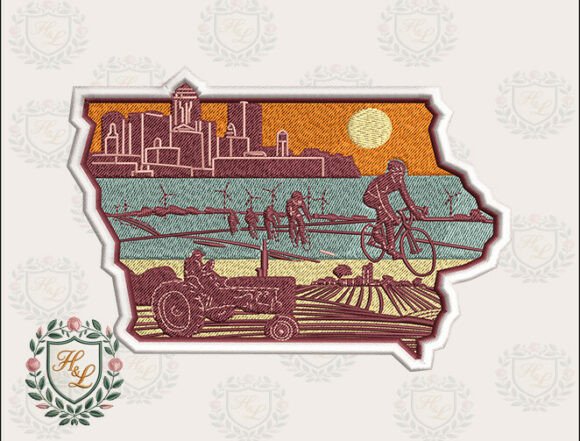
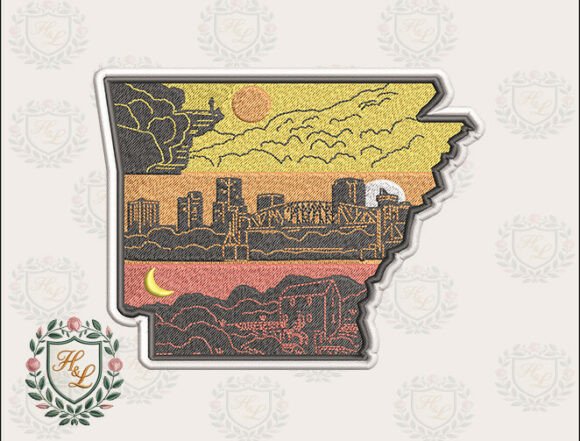
When I first opened the file, the immediate question was whether the design felt rustic, playful, or sophisticated enough for a modern boutique brand. The title, Layers of Arkansas Embroidery Files, suggests a depth that goes beyond simple text or basic shapes. In my experience, successful designs rely on layering to create dimension, especially when working with appliqué techniques which are mentioned in the product description. The layout appeared balanced, offering a strong central focal point without overwhelming the chest area of a hoodie.
The mood conveyed by the design feels distinctly American yet approachable. It strikes a balance between casual comfort and decorative flair. For a small clothing brand targeting the North America market, this aesthetic is gold. It does not scream "mass-produced" but rather whispers "handmade product" through its intricate stitch personality. Whether intended for neutral sweatshirts or pastel colors, the design seems versatile enough to fit a cozy seasonal collection while maintaining a bold presence on dark fabric.
Applying the Design to Premium Sweatshirts
One of the primary challenges in sweatshirt embroidery is managing the bulk of the fabric and the softness of the fleece. When visualizing how the Layers of Arkansas Embroidery Files would sit on an oversized hoodie, I considered the stitch density carefully. High-density designs can sometimes cause puckering on heavy cotton blends, but the description highlights this as a high-quality digital appliqué design, which usually implies a strategic use of satin stitches and fill patterns to minimize stress on the material.
I imagined this design placed on the left chest of a charcoal grey sweatshirt. The contrast provided by the thread colors would likely pop beautifully against the dark background, creating a look that is both understated and striking. Conversely, on a light oatmeal or cream-colored garment, the layers would add texture without overpowering the minimalist vibe that many customers seek today. The versatility extends to sleeve accents as well; a smaller version of this motif could serve as a subtle detail on the cuff, adding a touch of branding that encourages customer engagement.
Technical Considerations for the Machine
For any Etsy seller or embroidery shop owner, the technical execution is where trust is built. Before running a commercial batch, I always scrutinize the stitch density and hoop size. While the exact specifications must be verified in the file metadata, the design structure suggests it requires a stable base. Using the correct stabilizer is crucial here. Because the design involves layers, a cut-away stabilizer might be necessary to support the weight of the appliqué and ensure the finished product retains its shape after washing.
Fabric texture plays a significant role in the final outcome. On a smooth, tight-knit jersey, the threads will lay flat and crisp. However, on a heathered or textured fleece, the design needs enough definition to remain readable. The term "appliqué" in the description is a key indicator that this design uses fabric pieces stitched down, which adds a tactile element that pure stitching cannot achieve. This technique elevates the perceived value of the item, making it feel more like a luxury good than a standard piece of streetwear.
Color and Contrast Strategy
Selecting the right thread colors is an art form in itself. With a design titled "Layers of Arkansas," one might expect earthy tones, vibrant reds, or classic blues. The beauty of having a digital embroidery file allows you to experiment with color palettes before committing to production. You could opt for a monochromatic look for a sleek, modern aesthetic, or go full color to emphasize the festive nature of the design mentioned in the product description. The ability to customize thread choices ensures that your custom apparel aligns perfectly with your brand identity.
From Digital Asset to Brand Identity
In the world of commercial embroidery, consistency is king. The Layers of Arkansas Embroidery Files offer a unique opportunity to build a cohesive visual language across different products. Beyond sweatshirts, the description notes suitability for tote bags, pillows, and festive decorations. This versatility means that a single design purchase can expand your inventory significantly. Imagine a matching set: a sweatshirt for the main outfit, a tote bag for carrying gear, and a pillow for home decor. All featuring the same design assets, creating a unified brand experience.
For a small shop product line, this kind of cohesion drives buyer trust. When customers see a recognizable motif across multiple items, they begin to associate that visual with your specific brand. Furthermore, high-quality embroidery serves as a powerful tool for lifestyle product photography. The depth created by the layers catches the light in photographs, making your mockup previews and listings stand out in search results. It transforms a simple image into a sensory experience that invites the viewer to imagine the texture of the fabric.
Practical Advice for Production
While the potential of this design is clear, there are practical steps every creator must take before launching a collection. First, always test the design on a scrap piece of the actual fabric you intend to use. This step reveals how the stitch density interacts with the specific weave of your sweatshirt material. Second, verify the hoop size requirements to ensure the design fits your machine's capabilities without excessive re-hooping, which can lead to misalignment.
Washing durability is another critical factor. Appliqué designs generally hold up well to laundering, but the edges must be secured tightly. If the design feels too delicate for daily wear, consider reinforcing the stitching during the digitizing phase or selecting a heavier thread weight. Remember that while the product description promises a finished product ready for shirts and decorations, the final result depends heavily on your execution. Always check the file format compatibility with your embroidery software to avoid last-minute technical hurdles.
Conclusion: Elevating Your Boutique Collection
The Layers of Arkansas Embroidery Files represent more than just a digital download; they are a foundational element for building a premium apparel brand. Whether you are an established boutique brand looking to refresh your lineup or a creative entrepreneur starting your journey, this design offers the flexibility and quality needed to compete in the modern market. By understanding the nuances of machine embroidery design and applying careful attention to fabric choice and stabilization, you can turn this digital asset into a beloved physical product.
Ultimately, the success of a limited drop relies on the perception of value. A well-executed appliqué design on a cozy hoodie signals quality and care. It tells the customer that you have invested time and resources into their garment. As you move forward with your digital embroidery file projects, keep these considerations in mind. Let the layers of Arkansas inspire a collection that is not only visually stunning but also durable, meaningful, and unmistakably yours.