Real-World Review: Baby Embroidery Pattern for Custom Projects
As a designer who spends countless hours testing digital assets before they hit the production floor, I approach every new download with a mix of excitement and skepticism. When I first opened Baby Embroidery Pattern, my immediate reaction wasn't about the file size or format, but rather the mood it projected. The description mentions delicate wildflower stitches on a soft linen texture, and that is exactly what you get when you look at the design sheet. It feels organic, soft, and undeniably handcrafted, which is a rare quality in mass-produced digital graphics.
I often tell my clients that a design's true test isn't how it looks on a screen, but how it behaves under the needle. This pattern promises an elegant look suitable for apparel, scrapbooking, invitations, packaging, and home decor. But does it hold up when transferred to real fabric? After running through a series of practical scenarios involving custom products and small business merchandise, here is my honest assessment of how this piece fits into a professional workflow.
The First Impression: Mood and Visual Personality
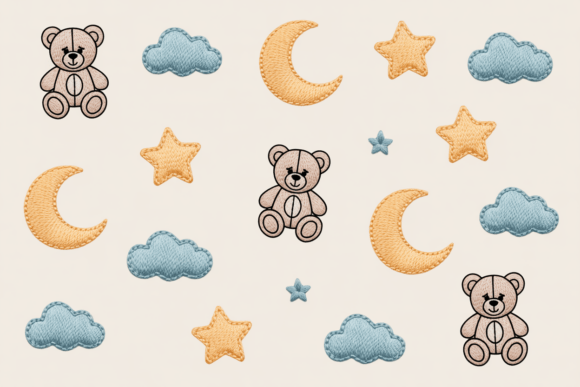
The visual personality of Baby Embroidery Pattern is gentle and inviting. Unlike some bold, geometric embroidery files that scream for attention, this design whispers. The wildflower motif creates a sense of whimsy that works exceptionally well for baby-related items, nursery decor, and spring-themed collections. The inclusion of a linen texture effect in the preview gives me confidence that the final stitched product will have depth, avoiding the flat appearance that plagues many basic vector-based designs.
For designers looking to create personalized gifts or boutique branding, this aesthetic is gold. It suggests a brand that values quality, nature, and a touch of rustic charm. Whether you are an Etsy seller creating listings or a hobbyist making a gift for a friend, the design carries an inherent trustworthiness. It looks expensive, even if the thread costs are modest. This perceived value is crucial for handmade product sales, as customers are often willing to pay more for items that look professionally finished.
Putting It to Work: Real-Life Application Scenarios
To truly understand the utility of this machine embroidery design, I simulated several real-world projects. Let's start with a custom embroidered tote bag. Imagine a canvas tote featuring this wildflower arrangement centered on the front panel. The delicate nature of the flowers would stand out beautifully against a neutral beige or soft sage background. However, because the design relies on fine details, the placement matters. On a tote bag, there is ample space to let the flowers breathe, allowing the satin stitch outlines to define the petals without crowding the composition.
Next, consider a sweatshirt or a hoodie. This is where the "soft linen texture" aspect becomes vital. A heavy cotton fleece can sometimes swallow up intricate details, but if the stitch density is balanced correctly, this pattern adds a sophisticated layer to casual wear. I envision a cream-colored hoodie with the design placed over the heart area. The contrast between the soft fabric and the structured embroidery creates a tactile experience that customers love. It transforms a standard garment into a statement piece, perfect for holiday gifts or seasonal collections.
For those in the commercial embroidery sector, this design is versatile enough for aprons and kitchen towels. The wildflower theme fits seamlessly into farmhouse-style kitchens. A tea towel featuring this pattern could be a bestseller in a craft fair booth or an online shop. Similarly, for baby clothes, the gentle curves of the flowers are ideal for bodysuits, bonnets, or pillow covers. The design avoids sharp angles that might irritate sensitive skin, making it a safe choice for infant apparel.
Where Caution is Required: Limitations and Challenges
While Baby Embroidery Pattern is beautiful, no single design is a magic bullet for every situation. As an experienced reviewer, I must highlight specific areas where caution is necessary. If you are working with small hoop sizes, such as those used for caps or hat panels, you need to verify the dimensions carefully. Delicate wildflowers can lose definition if the hoop size forces the machine to compress the stitches too tightly. In tight spaces, the individual petals might merge, turning a delicate flower into a muddy blob.
Fabric selection is another critical factor. This design thrives on stable, medium-weight fabrics like linen, cotton, or denim. Using it on stretchy knits without proper stabilizer can lead to puckering, which ruins the clean lines of the running stitch elements. Furthermore, dark fabrics require a different approach. If the base fabric is black or navy, you will need to ensure your thread colors provide sufficient contrast. Light pastel threads might disappear into dark backgrounds, negating the elegance of the design. Always test your color palette before committing to a full production run.
Another consideration is the longevity of the product. For items that require frequent washing, such as work aprons or daily-use bags, check the stitch density. Dense fill areas can trap lint or cause the fabric to stiffen over time. If the design includes tiny lettering or extremely fine corners, these elements are prone to breaking down after multiple wash cycles. For high-wear items, it is often safer to opt for slightly bolder motifs or reduce the detail level to ensure durability.
Impact on Brand and Customer Trust
In the world of craft business and Etsy seller operations, presentation is everything. A well-executed embroidery project signals professionalism and care. When a customer receives a personalized gift with a crisp, clear design like Baby Embroidery Pattern, their perception of the maker's skill increases. They associate the quality of the stitching with the quality of the entire brand.
This design also enhances giftability. The natural, floral theme appeals to a broad audience, making it a safe bet for showers, birthdays, and holidays. It doesn't feel overly trendy, which means it won't look dated next year. For digital product sellers offering printable mockups, this design provides a realistic representation of what the final item will look like, helping buyers visualize the potential of their purchase. This clarity reduces return rates and builds long-term buyer engagement.
Practical Designer Notes for Success
Before you upload this file to your embroidery machine, there are essential steps to take to guarantee a successful outcome. First and foremost, always test the design on scrap fabric. This allows you to see how the stitch density interacts with your specific material and adjust the tension if needed. Check the thread color contrast by holding the fabric up to the light; if the design looks faint, you may need to switch to a higher contrast thread color.
Review the stitch types within the file. Does it utilize a mix of satin stitch for borders and fill stitch for the petals? Ensure that the transitions between these stitches are smooth to prevent bird nesting or thread breaks. Confirm the recommended hoop size provided by the creator, and stick to it. Using a larger hoop than necessary can introduce unnecessary movement, while a smaller one might clip important parts of the design.
Inspect the small details closely. Are the centers of the flowers distinct? Is the outline continuous? Sometimes, digital previews hide minor errors that only appear during stitching. Also, test the design in black and white mockups to ensure the shape holds up without relying on color to carry the image. Finally, remember to use the proper stabilizer for your fabric type. A cut-away stabilizer is usually best for stretchy materials, while tear-away works well for stable wovens.
Lastly, confirm your licensing terms. If you plan to sell finished products made with this digital embroidery file, ensure you have the commercial rights. Some licenses allow for personal use only, while others permit selling a limited number of physical items. Understanding these terms protects your small shop product line from legal issues. By following these practical steps, you can turn the promise of Baby Embroidery Pattern into a stunning, market-ready reality.