Retro Heart Character Embroidery Design Review
Walking into a weekend craft fair or setting up a booth for a handmade market requires more than just good products; it demands items that stop people in their tracks. As an experienced embroidery designer who has spent years turning digital files into tangible, sellable goods, I know exactly what makes a design stand out on a crowded table. Today, I am reviewing the Retro Heart Character Embroidery Design, and my first impression is immediate: this piece has serious potential to become a top-tier craft fair product.
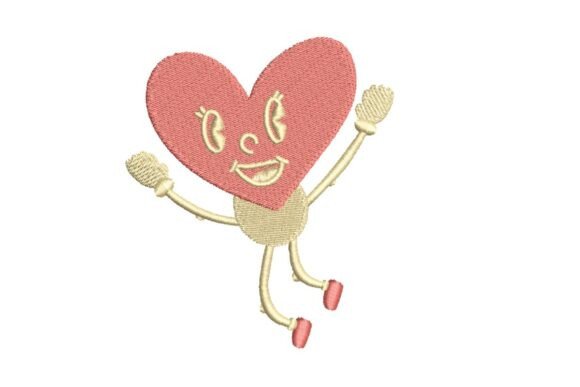
The description paints a picture of a cheerful, anthropomorphic heart with a wide smiling face in a retro cartoon style. In the world of machine embroidery, "retro" is a powerful keyword right now. It suggests nostalgia, warmth, and a playful aesthetic that resonates deeply with customers looking for unique, handmade gifts. Unlike generic floral patterns or simple text, the Retro Heart Character Embroidery Design offers personality. It feels bold yet soft, festive without being overly cliché, and perfectly suited for the Valentine's Day season while maintaining year-round appeal.
Where This Design Shines on Product
When preparing for a market, I always ask myself: where will this design look its best? The answer lies in understanding how the character interacts with different fabrics. For a tote bag design, this character would be a showstopper. A large pink heart head with a friendly smile creates an instant focal point on canvas or cotton twill bags. Customers love tote bags that express a mood, and a retro cartoon character does exactly that.
Similarly, for apron embroidery, this design adds a touch of whimsy to kitchen wear. Imagine a baker or home cook wearing an apron featuring this cheerful heart. It transforms a utilitarian item into a conversation starter. Tea towel embroidery is another natural fit. The clean lines of a cartoon character work beautifully on the textured weave of a flour sack towel, making it an ideal gift item. The contrast between the smooth stitches and the fabric texture adds depth that photographs well.
I also see immense value in using this as an embroidered patch. Patches are incredibly popular among Etsy sellers and boutique makers because they can be ironed or sewn onto almost anything—jeans, hats, or backpacks. If you have the capacity to produce small pouches or pillow covers, this design fits those categories perfectly. It serves as a delightful accent on a small zippered pouch or a charming centerpiece on a throw pillow. Even as a cap design, the rounded shape of the heart complements the curved surface of a hat better than angular designs often do.
Visual Appeal and Customer Engagement
In a physical booth, visual hierarchy is everything. The Retro Heart Character Embroidery Design excels here because of its clear, defined features. At a glance, a customer can identify the character and its emotion. This clarity is crucial for sales; if a buyer has to squint to understand the design, they are less likely to pick it up. The retro style implies a level of quality and intentionality that elevates the perceived value of the finished product.
For digital sellers creating printable mockups or Etsy listings, this design is a goldmine. The bright colors and distinct shapes render clearly in photos, ensuring that your online listings look as vibrant as the real thing. When a customer sees a high-quality image of a tea towel with this heart character, they immediately imagine the tactile experience of holding it. This emotional connection drives engagement and conversion rates.
Furthermore, the design supports brand consistency. If you run a shop focused on cute, nostalgic, or handmade aesthetics, this file aligns perfectly with that identity. It allows you to create a cohesive collection of commercial embroidery products, from matching sets of aprons and towels to coordinated gift boxes. The repeatable nature of the character means you can easily batch produce items, which is essential for meeting demand during peak seasons like Valentine's Day.
Practical Production Considerations
While the design looks promising, a professional review must address the practicalities of production. Not all embroidery files are created equal, and success depends on how you execute them. First, consider the stitch density. A character with a large head and facial features needs enough stitches to hold its shape but not so many that the fabric puckers. If the design includes tiny details or small lettering, test it thoroughly. Tiny elements can get lost on thick fabrics or textured towels, leading to a muddy appearance.
Fabric choice is equally critical. On dark fabric, the thread colors must be chosen carefully to ensure the pink heart stands out. You may need a specific underlay or stabilizer to prevent the design from sinking into the material. Conversely, on light fabrics, the design might lose some impact if the thread colors are too pale. Always check thread contrast before running a full production batch.
Hoop size and spacing are other factors to keep in mind. Ensure your hoop size accommodates the design comfortably without cutting off edges. When placing the design on curved surfaces like caps, you must account for the distortion that occurs when stitching on a 3D object. A design that looks perfect flat on a screen might warp if not digitized correctly for that specific application.
Essential Designer Notes for Sellers
If you are planning to turn this embroidery file into a profitable line of goods, follow these steps to ensure quality. Start by testing the design on scrap fabric that matches your final product. This step reveals issues with tension, density, or fabric stretch that you cannot see on a computer screen. Inspect the stitch density closely; areas that are too dense can cause the needle to break or the fabric to pucker, ruining the professional look of your handmade product.
Create at least one real mockup before listing the item on Etsy or bringing it to a craft fair. A digital rendering is helpful, but nothing sells like a photograph of the actual finished product. Compare different fabric colors to see which ones make the character pop. Don't forget to confirm the commercial licensing terms associated with the digital embroidery file. Selling finished products requires a license that explicitly permits commercial use, or you risk legal trouble.
Finally, consider the user experience. Is the design easy to embroider? Does it require excessive trimming? These factors affect your production speed and profit margins. A design that takes three hours to stitch and trim is less profitable than one that flows smoothly through the machine. The Retro Heart Character Embroidery Design appears to strike a good balance, offering visual charm without unnecessary complexity.
By focusing on quality execution and strategic placement, this design can become a cornerstone of your inventory. Whether you are a seasoned business owner or a creative entrepreneur launching your first booth, paying attention to these details ensures that your handmade product reflects the highest standards of craftsmanship. The result is a collection that customers love, trust, and are eager to buy.