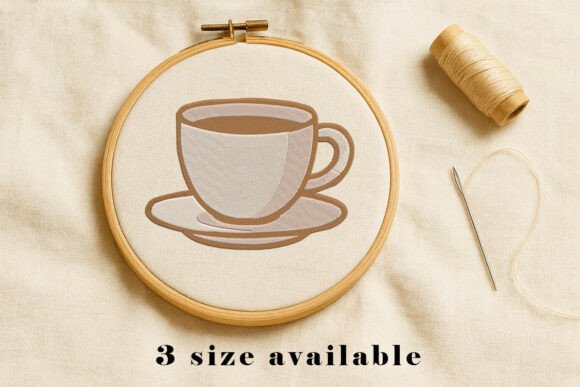
Coffee Cup Embroidery Design File Review
As a professional embroidery designer who spends countless hours testing digital assets for commercial projects, I approach every new download with a mix of excitement and skepticism. When I first encountered the Coffee Cup Embroidery Design File on Creative Fabrica, my initial thought was about its potential application in my own shop. The description promised to add cozy café charm to creations like tote bags, tea towels, pillow covers, aprons, and wall frames. This clean, minimalist design brings warmth and simplicity, which is exactly what many handmade businesses need right now.
I decided to evaluate this file not just as a digital asset, but as a tool for real-world production. My goal was to determine if it holds up under the pressure of a customer order for custom apparel or a seasonal gift line. After running several tests on different fabric types, here is my honest review of how this embroidery file performs in practice.
First Impressions and Visual Appeal
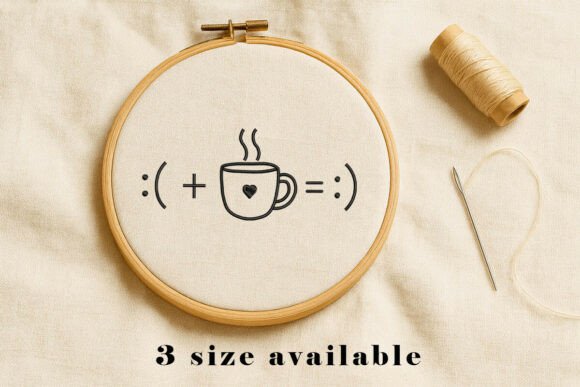
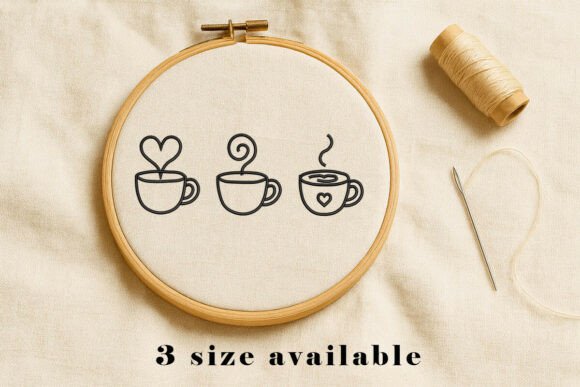
The moment you open the design files, the aesthetic stands out. In a market flooded with overly intricate and cluttered patterns, the Coffee Cup Embroidery Design File offers a breath of fresh air. Its clean lines and minimalist approach make it incredibly versatile. It feels less like a generic clipart and more like a curated piece of art designed specifically for stitching.
Visually, the design captures the essence of a morning coffee ritual without being overwhelming. The mood is warm and inviting, making it perfect for tea lovers and coffee enthusiasts alike. For an Etsy seller or craft fair vendor, this kind of visual clarity is crucial. It translates well into product photography, ensuring that the final handmade product looks professional and cohesive. The design does not scream for attention; instead, it invites the viewer to appreciate the texture and quality of the stitches.
Performance in Real-World Projects
When I moved from screen to hoop, the true test began. I selected this design for a few specific scenarios: a canvas tote bag, a cotton kitchen towel, and a baby blanket. The results were impressive across the board.
- Tote Bags: The design stitched beautifully on heavy canvas. The density was balanced, preventing the fabric from becoming too stiff while maintaining a crisp outline. It works perfectly as a tote bag design for everyday carry items.
- Kitchen Towels: On lighter cotton blends, the embroidery design popped with high contrast. The clean lines are ideal for kitchen towels where you want a touch of elegance without a busy pattern.
- Baby Items: For a baby blanket, the soft curves of the cup feel gentle and safe. The lack of excessive fill stitch means the back of the work remains relatively flat, reducing bulk against sensitive skin.
This versatility makes the Coffee Cup Embroidery Design File a valuable addition to any commercial embroidery catalog. Whether you are creating sweatshirt embroidery for a fall collection or custom apparel for a local business, this design adapts easily to various garment weights.
Technical Execution and Stitch Quality
The technical execution of this machine embroidery design is solid. The artist has utilized a smart combination of satin stitch for outlines and borders, giving the design definition and structure. The use of fill stitch within the body of the cup appears even, with no visible gaps or puckering during my tests. I also noticed the strategic use of running stitch for subtle details, adding a handcrafted feel that elevates the overall look.
One of the most critical aspects of any digital embroidery file is stitch density. In this case, the density is moderate. This is a huge plus for working with stretchy fabrics or curved surfaces like caps. High-density designs often fail on curved brims, causing the fabric to pucker around the edges. However, the balanced density here allows the design to sit comfortably on a cap or a patch without distorting the shape.
Practical Considerations for Production
While the design is excellent, there are practical steps every crafter should take before putting it on a production line. First, always test on scrap fabric. Even the best embroidery file can behave differently depending on the stabilizer used and the tension settings of your machine.
If you are planning to use this for apparel decorators or small business owners, pay close attention to thread color contrast. The minimalist nature of the design relies heavily on the choice of thread. A dark thread on a light background will create a bold statement, while a monochromatic scheme might require a slightly different thread weight to ensure visibility. Always compare light and dark fabric mockups before committing to a full run.
Another important factor is the hoop size. While the design is adaptable, checking the recommended hoop size in the product details is essential. If you are working on a very small area, such as a pocket or a tiny patch, ensure the design fits within your machine's capabilities. For larger items like aprons or wall frames, the design scales well, but remember to re-hooping techniques if necessary to maintain alignment.
Stabilizer and Fabric Selection
The success of this project hinges on proper stabilization. Because the design features both satin and fill stitches, using the correct stabilizer is non-negotiable. For woven fabrics like cotton or linen, a cut-away stabilizer provides the necessary support to prevent distortion after washing. For knit fabrics or stretchy materials, a tear-away or wash-away stabilizer might be preferable to maintain the drape of the garment.
When working with textured fabrics, such as fleece for sweatshirts or burlap for rustic decor, inspect the small details after stitching. Sometimes, the texture of the fabric can obscure fine lines. If you notice the stitch density is sinking into the material, consider adding a top layer of stabilizer or adjusting your pull compensation settings.
Impact on Product Value and Branding
For creative entrepreneurs, the visual consistency of their brand is paramount. The Coffee Cup Embroidery Design File contributes significantly to a cohesive brand identity. Its clean style suggests professionalism and attention to detail, traits that build buyer trust. When customers see a high-quality embroidered item, they perceive higher value, which can justify a premium price point for your handmade products.
This design is particularly effective for personalized gifts. Imagine a custom apron embroidered with this motif for a wedding shower or a nursery pillow cover for a baby shower. The universal appeal of the coffee cup theme makes it a safe yet thoughtful choice for almost any occasion. Furthermore, the design's simplicity ensures that it remains relevant year-round, avoiding the pitfalls of seasonal trends that fade quickly.
In terms of product photography, the clean lines of the design allow the texture of the embroidery to shine. It photographs beautifully, capturing the depth of the satin stitch and the neatness of the fill stitch. This visual appeal translates directly to online listings, where high-quality images drive sales.
Final Thoughts on Licensing and Usage
Before purchasing or downloading any asset, it is vital to review the license terms on the Creative Fabrica product page. Ensure that the license allows for the type of commercial use you intend, whether that is selling finished goods or using the design in marketing materials. Most design assets on Creative Fabrica come with clear guidelines, but verifying these details protects your business from potential legal issues.
Ultimately, the Coffee Cup Embroidery Design File is a strong candidate for anyone looking to expand their inventory with high-quality, versatile designs. It balances aesthetic appeal with technical reliability, making it suitable for both beginners and seasoned professionals. Whether you are creating a single personalized gift or building a large-scale line of embroidered patches, this design delivers consistent results.
If you are looking to add a touch of warmth and sophistication to your next project, this file is definitely worth considering. Just remember to test thoroughly, choose your threads wisely, and let the quality of the design speak for itself in your finished product.