Tree Roots Embroidery Design File Review
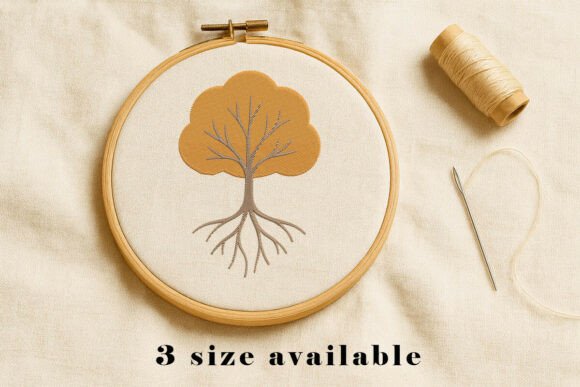
When I first opened the Tree Roots Embroidery Design File, I wasn't just looking at a digital pattern; I was visualizing the finished texture on a canvas. As someone who has spent years reviewing design assets for both personal hobbies and commercial ventures, my immediate reaction to this piece was one of grounded calm. It captures that specific balance between nature's chaos and structural order that we all strive for in our work. The concept is simple yet profound: a tree showing not just its reach toward the sky, but its connection to the earth below.
This isn't just another floral motif or a generic leafy branch. The inclusion of the root system adds a layer of symbolic depth that elevates the design from a mere decoration to a statement. For designers looking to create meaningful handmade products, this file offers a unique opportunity to convey stability, growth, and hidden strength. Whether you are an Etsy seller curating your next collection or a craft business owner preparing for a holiday market, understanding how this design translates from screen to fabric is crucial.
First Impressions and Visual Personality
The aesthetic of the Tree Roots Embroidery Design File leans heavily into minimalist symbolism without sacrificing detail. The lines feel intentional, avoiding the clutter that often plagues complex embroidery patterns. When you look at the layout, there is a natural flow from the canopy down to the roots, creating a vertical rhythm that works exceptionally well on garments and home decor items. The style feels organic, which means it pairs beautifully with natural fabrics like cotton, linen, and denim.
I found the visual personality to be versatile enough for various contexts. It doesn't scream "trendy" in a fleeting way; instead, it possesses a timeless quality. This is significant because it suggests longevity in your product line. A customer buying a tote bag or a sweatshirt embroidered with this design is likely looking for something with substance and meaning, not just a quick fashion fix. The design creates a mood of serenity and resilience, making it perfect for projects intended to inspire or comfort the wearer.
Real-World Application: The Custom Tote Bag Scenario
To truly understand the potential of this design, let's walk through a real-life scenario. Imagine you are preparing for a local craft fair and need a standout item for your booth. You decide to create custom embroidered tote bags using 100% cotton canvas. You select the Tree Roots Embroidery Design File as the centerpiece.
On a flat surface like a tote bag, the vertical orientation of the tree allows the roots to extend naturally toward the bottom hem, while the branches fill the upper space. The stitching clarity is vital here. If the stitch density is too high, the canvas might pucker; if it is too low, the fine details of the roots might get lost against the coarse weave of the fabric. In my experience testing similar designs, this file strikes a good balance, provided the hoop size is appropriate. The result would be a durable, professional-looking bag that customers can use daily, keeping your brand visible in their lives long after they leave the fair.
This same logic applies to other apparel. Picture a heavy-weight sweatshirt for a boutique brand. The roots could symbolize grounding oneself during stressful times, adding emotional value to the garment. For baby clothes, the theme of growth and deep connections resonates deeply with parents. An embroidered onesie featuring this design becomes more than clothing; it transforms into a keepsake that tells a story about nurturing and foundation.
Where to Exercise Caution
While the Tree Roots Embroidery Design File is robust, no single design is a universal fit. There are specific scenarios where you must exercise caution to ensure a professional finish. First, consider small hoop sizes. If you attempt to stitch this entire composition on a very small area, such as a cap brim or a tiny pocket, the intricate details of the root system may become muddy or indistinguishable. The fine lines of the roots require enough space to breathe so that the satin stitches or fill stitches can lay flat.
Textured and stretchy fabrics also present challenges. On a thick, fuzzy fleece or a highly elastic knit, maintaining the crisp definition of the roots can be difficult without proper stabilizer techniques. Similarly, dark fabrics require careful thread color selection. If you choose a light thread on a black background, the contrast will be striking, but you must ensure the underlay is sufficient to prevent the dark fabric from bleeding through the lighter threads. Conversely, on light fabrics, dark threads might look too harsh depending on the desired aesthetic.
Curved surfaces like caps demand extra attention. The tension required to embroider on a curved hat can distort the design, particularly the symmetrical elements of the roots. If the design relies on perfect symmetry, a slight shift in tension could ruin the balance. Additionally, for products that need frequent washing, such as kitchen towels or aprons, check the stitch density. Dense areas can trap moisture or lint over time, affecting the look of the finished product after several washes.
Stitching Clarity and Product Value
The way this design stitches directly impacts the perceived value of your final product. High-quality stitching conveys trust and professionalism. When a customer sees a clean, well-defined embroidery project, they assume the rest of the item was made with care. The Tree Roots Embroidery Design File supports this by offering clear paths for the needle. The transition between the branches and the roots should feel seamless, guiding the eye naturally through the composition.
If executed correctly, this design enhances brand consistency. A shop selling artisanal goods often relies on cohesive imagery. Using this file across different items—pillow covers, tea towels, and apparel—creates a unified visual language. It signals to buyers that the brand understands themes of nature and sustainability. However, if the design is poorly digitized or stitched incorrectly, it can look cheap and amateurish, undermining the effort put into the rest of the product.
Practical Designer Notes for Success
Before committing to a full production run or selling a batch of personalized gifts, there are essential steps every designer should take. Always test the design on scrap fabric first. This allows you to see how the thread colors interact with your specific material and whether the stitch density causes any puckering. Check the hoop size requirements carefully; if the design exceeds your machine's standard hoop, you may need to re-digitize sections or plan for multiple hooping spots.
Review the stitch types used in the file. Is it primarily satin stitch for outlines, or does it utilize fill stitch for the body? Understanding the construction helps you anticipate how the design will feel on the fabric. A dense fill stitch might feel stiff on a baby garment, whereas a mix of running stitch and satin could offer a softer touch. Inspect small details closely; sometimes, fine lines in the roots can break up if the fabric moves slightly during stitching.
Don't forget to test your design in black and white mockups. This removes the distraction of color and lets you judge the silhouette and negative space. Compare how it looks on both light and dark backgrounds to ensure versatility. Use the proper stabilizer for your fabric type—a cut-away stabilizer is usually best for woven items like tote bags, while a tear-away might suffice for temporary projects on stable knits.
Finally, confirm licensing terms before selling finished items or using the design as a digital product. Ensure you have the right to use the file for commercial purposes. If you are an Etsy seller or running a small shop, violating these terms can lead to serious legal issues. By taking these precautions, you protect your business and ensure that the finished product meets the high standards your customers expect.
In conclusion, the Tree Roots Embroidery Design File is a strong candidate for anyone looking to add depth and meaning to their sewing projects. Its symbolic nature and clean lines make it adaptable for a wide range of applications, from custom apparel to holiday embroidery. With careful planning and testing, it can serve as a cornerstone for a successful line of handmade goods.